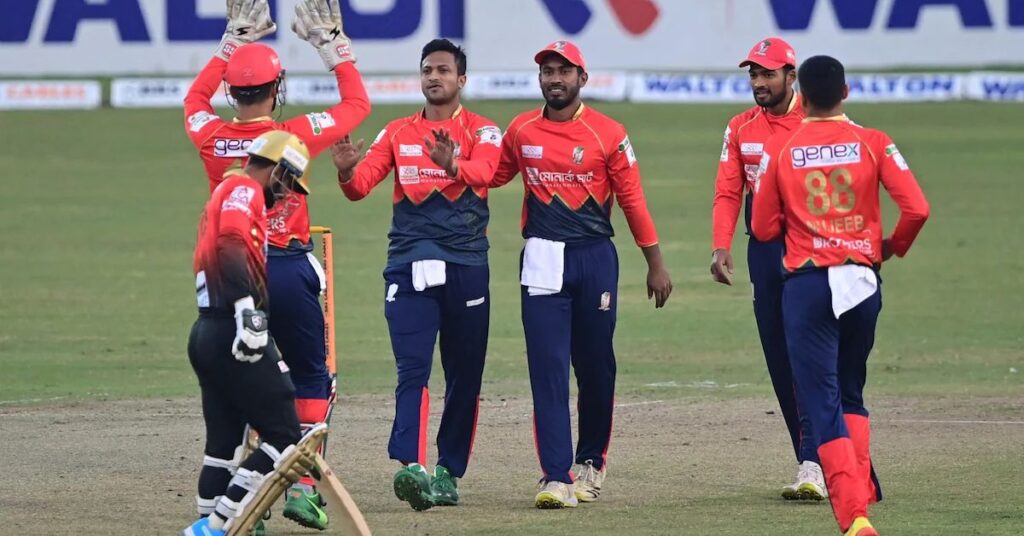

The Bangladesh Premier League (BPL) 2026 has been thrown into uncertainty after the Bangladesh Cricket Board (BCB) was forced to reschedule the tournament following widespread players-led protests. What was expected to be a smooth build-up to one of Bangladesh’s most important domestic T20 competitions has instead turned into a major governance and credibility challenge for the board.
The protests, driven largely by player concerns over payments, scheduling clarity, contractual transparency, and overall working conditions, have highlighted long-standing structural issues within the BPL ecosystem. As a result, the BCB had little choice but to intervene and adjust the tournament schedule in an attempt to stabilise the situation and prevent further disruption.
This development has not only affected teams and players but has also raised questions about league management, franchise accountability, and the future direction of Bangladesh’s flagship T20 tournament.
This article takes an in-depth look at the reasons behind the protests, the BCB’s response, the impact on BPL 2026, and what this episode means for Bangladesh cricket moving forward.
BPL 2026: From Anticipation to Uncertainty
The BPL has long been positioned as Bangladesh’s premier domestic T20 league, designed to provide local players with competitive exposure while attracting overseas talent. Over the years, it has served as a crucial platform for emerging Bangladeshi cricketers to stake their claim for national selection.
However, despite its potential, the league has frequently faced organisational challenges. The events surrounding BPL 2026 have once again brought these issues into sharp focus.
What began as isolated complaints soon escalated into collective player action, forcing the BCB to reassess the tournament’s timeline.
Players-Led Protests: What Triggered the Unrest?
At the heart of the controversy lies a growing sense of frustration among players. While the BCB has not publicly detailed every grievance, multiple factors are understood to have contributed to the protests.
Delayed and Unclear Payments
One of the primary concerns raised by players relates to payment delays. Several cricketers reportedly expressed dissatisfaction over uncertainty surrounding match fees and contractual dues. For many domestic players, the BPL represents a significant source of income, making timely payments critical.
Repeated delays and lack of clear communication have eroded trust between players, franchises, and administrators.
Contractual Transparency Issues
Another major issue has been ambiguity in player contracts. Players have reportedly sought greater clarity on contract terms, including payment schedules, insurance coverage, and obligations during and after the tournament.
In professional leagues worldwide, contractual transparency is a basic expectation. The absence of this clarity in BPL 2026 preparations became a key flashpoint.
Scheduling and Workload Concerns
Scheduling uncertainty also played a role in triggering protests. With the original BPL 2026 dates overlapping with other domestic and international commitments, players expressed concerns about workload management and preparation time.
Such issues are particularly important for players on the fringes of national selection, who rely on consistent performance and physical fitness to progress in their careers.
Collective Action: A Rare but Powerful Move
What makes this situation particularly significant is the collective nature of the protests. Instead of individual complaints, players reportedly came together to voice shared concerns, amplifying the pressure on the BCB.
This unity reflects a broader shift in player empowerment within global cricket, where athletes are increasingly willing to speak up about professional standards and working conditions.
Bangladesh Cricket Board’s Response
Faced with mounting pressure and the risk of a disrupted tournament, the Bangladesh Cricket Board stepped in to reschedule BPL 2026.
Why Rescheduling Became Inevitable
With players unwilling to proceed under unresolved conditions, the BCB had limited options. Continuing with the original schedule risked:
- Further protests
- Potential player withdrawals
- Damage to the league’s reputation
- Loss of broadcaster and sponsor confidence
Rescheduling was seen as a necessary step to buy time and restore dialogue between stakeholders.
Official Communication and Damage Control
The BCB moved quickly to issue official communication acknowledging the concerns and confirming changes to the schedule. While the board has avoided publicly assigning blame, its actions suggest recognition that structural issues needed immediate attention.
This response was aimed at calming tensions and preventing the situation from escalating further.
Impact of the Rescheduling on BPL 2026
The decision to reschedule BPL 2026 carries wide-ranging consequences for all involved.
Franchises Face Logistical Challenges
Franchises now have to revisit:
- Player availability
- Training schedules
- Travel and accommodation plans
- Marketing and promotional timelines
For teams that had already finalised preparations, the sudden change creates operational strain.
Overseas Players and Availability Issues
One of the major concerns arising from rescheduling is the availability of overseas players. Many international cricketers plan their calendars months in advance, balancing franchise leagues with national duties.
Any shift in dates increases the risk of losing foreign talent, which could affect the league’s competitiveness and global appeal.
Broadcasters and Sponsors on Alert
Broadcast partners and sponsors invest heavily based on fixed schedules. Changes to the BPL 2026 timeline may require renegotiations, potentially impacting revenue streams.
Such disruptions can weaken long-term commercial confidence in the league.
Players’ Perspective: A Fight for Professional Standards
From the players’ point of view, the protests were less about confrontation and more about securing basic professional standards.
Domestic Players Most Affected
While international stars often have multiple income sources, domestic players rely heavily on leagues like the BPL. Delays or uncertainty directly affect their livelihoods.
For many, speaking up was a matter of necessity rather than choice.
A Turning Point for Player Representation?
This episode could mark a turning point in how player concerns are addressed in Bangladesh cricket. The success of collective action in forcing administrative response may encourage more structured dialogue mechanisms in the future.
BPL’s History of Administrative Challenges
The BPL has faced criticism in previous editions as well, including:
- Franchise instability
- Financial disputes
- Late organisational decisions
- Inconsistent league structures
The BPL 2026 protests suggest that some of these issues remain unresolved, despite the league’s years of existence.
Comparison with Other T20 Leagues
When compared to other major T20 leagues such as the IPL, BBL, or SA20, the BPL still struggles with consistency in governance.
Key differences include:
- Stronger franchise vetting in other leagues
- Clearer player contracts
- Centralised payment mechanisms
- Long-term scheduling clarity
The current crisis highlights the need for the BPL to adopt best practices from successful global leagues.
What the Rescheduling Means for Bangladesh Cricket
Beyond the immediate impact on BPL 2026, the situation has broader implications for Bangladesh cricket as a whole.
Talent Development at Risk
The BPL plays a crucial role in developing young talent. Any disruption affects player exposure, scouting opportunities, and performance tracking.
Prolonged uncertainty could slow the pipeline of players progressing to the national level.
Reputation on the Global Stage
Bangladesh has made significant strides in international cricket, and domestic leagues play a role in shaping perceptions. Administrative instability risks undermining these gains.
Maintaining credibility is essential for attracting foreign players and maintaining global relevance.
Steps the BCB May Need to Take
To prevent similar situations in the future, the BCB may need to implement structural reforms.
Stronger Franchise Oversight
Ensuring franchises meet financial and contractual obligations should be a priority. This could include stricter entry criteria and ongoing audits.
Transparent Player Contracts
Standardised contracts with clear payment schedules and dispute-resolution mechanisms would help rebuild trust.
Player Representation Mechanisms
Introducing formal channels for player feedback could prevent issues from escalating into protests.
Fan Reactions and Public Perception
Fans have responded with mixed emotions. While some sympathise with players demanding fair treatment, others worry about the league’s stability.
Social media discussions reflect growing awareness that sustainable leagues require professionalism at all levels.
What Happens Next?
With BPL 2026 rescheduled, the immediate focus shifts to resolution rather than confrontation.
Key questions remain:
- Will player concerns be fully addressed?
- Can the BCB restore confidence among stakeholders?
- Will the revised schedule hold firm?
The coming weeks will be critical in shaping the league’s future.
A Defining Moment for the BPL
The players-led protests and subsequent rescheduling could become a defining moment in BPL history. Depending on how the situation is handled, it could either mark the beginning of meaningful reform or reinforce long-standing criticisms.
Conclusion: Crisis That Demands Reform, Not Just Rescheduling
The decision by the Bangladesh Cricket Board to reschedule BPL 2026 amid players-led protests underscores deep-rooted challenges within the league’s structure. While rescheduling may offer temporary relief, it does not address the underlying issues that led to the unrest.
For the BPL to fulfil its potential as a professional, sustainable T20 league, meaningful reforms are essential. Transparent contracts, timely payments, and open communication must become non-negotiable standards.
As Bangladesh cricket continues to grow on the international stage, the handling of this crisis will be closely watched. Whether BPL 2026 becomes a cautionary tale or a catalyst for positive change will depend entirely on the actions taken in the aftermath.
One thing is clear: the voices of players can no longer be ignored, and the future of the BPL depends on restoring trust, professionalism, and stability.